−
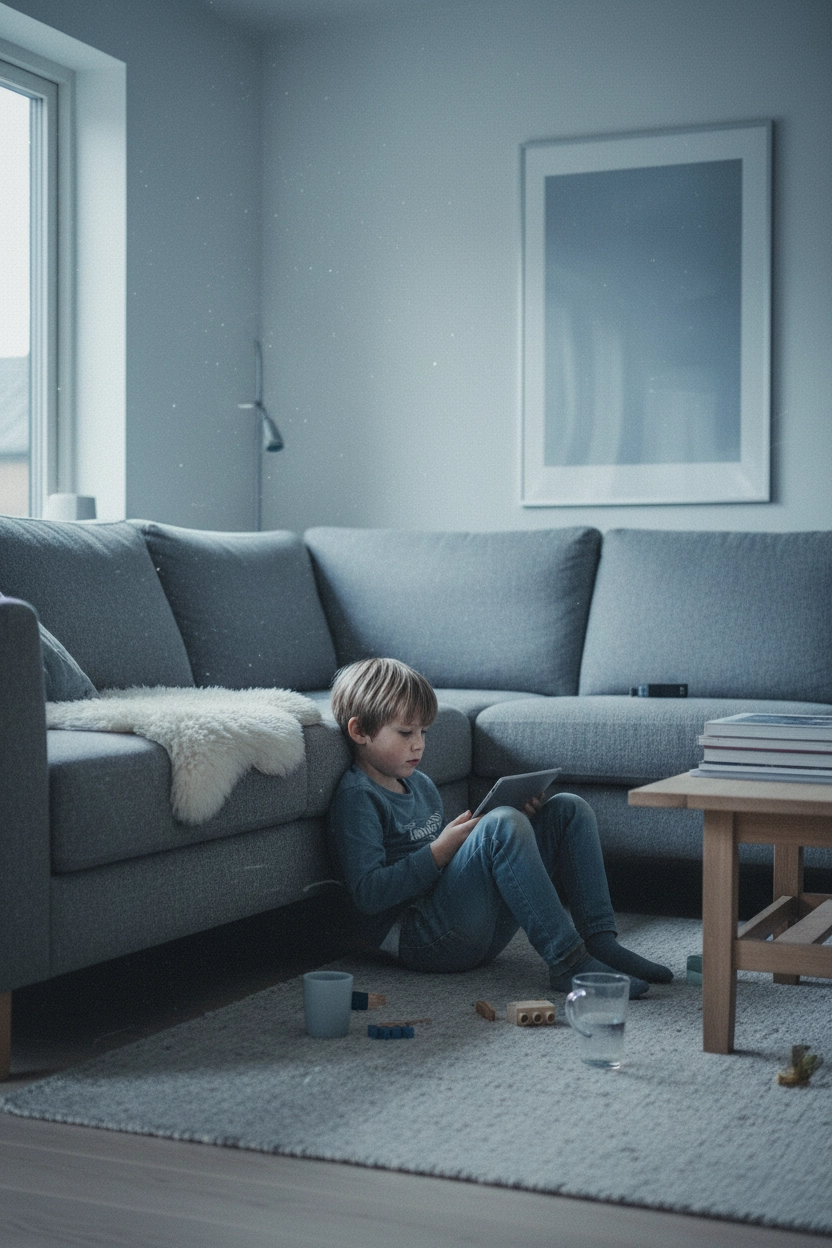
Passive screen use
- Watching videos
- Sitting still
- No physical engagement

Language
SPONSORED SPOTS LEFT
remaining right now
Limited number of sponsored class spots available
A research-based movement system improving children's physical activity, motor skills and learning through real school and home interventions.
Institutional collaborators



RCT study status
Cluster-randomized study in real school environments
286 children • Finland
What Geego is
Geego combines school-day movement, home practice and research-based pedagogy into one structured intervention model. It improves children's physical activity, motor skills and motivation through real-world use.
Movement learning system
School + home intervention
Research-backed platform
Professional movement pedagogy voice guidance in every video
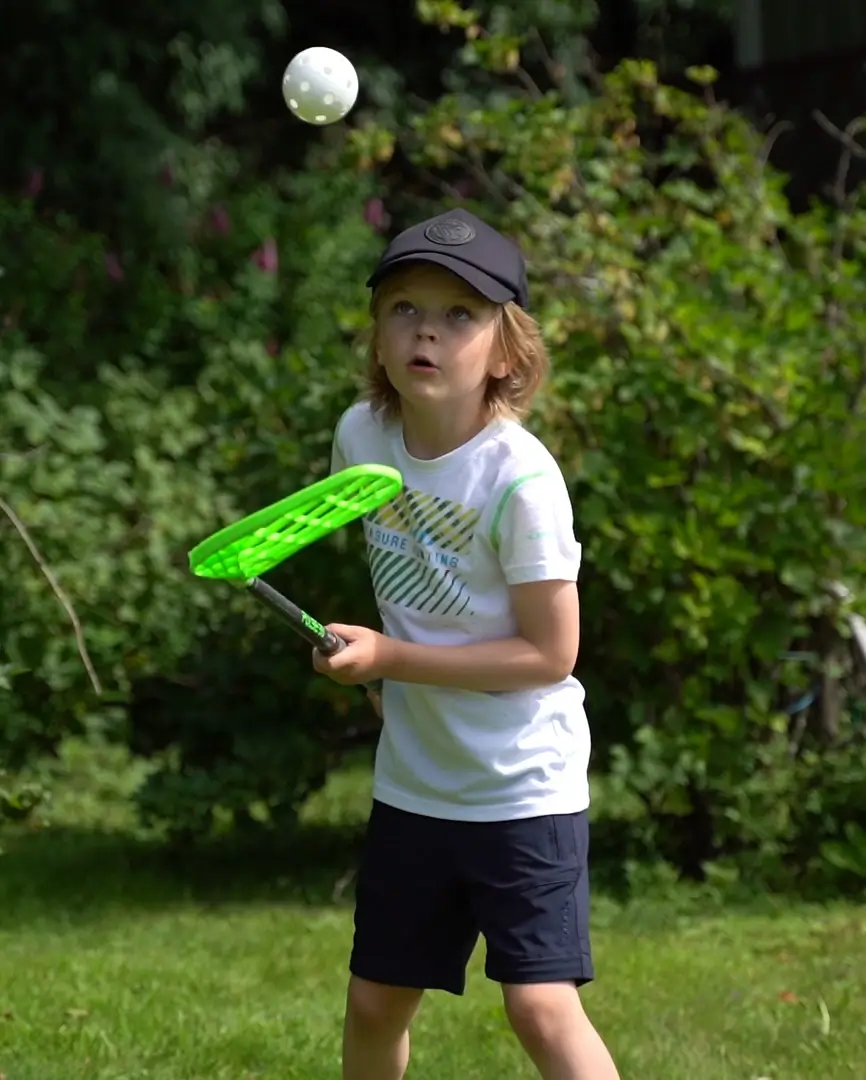
From passive screen use to guided real-world movement
Passive screen use
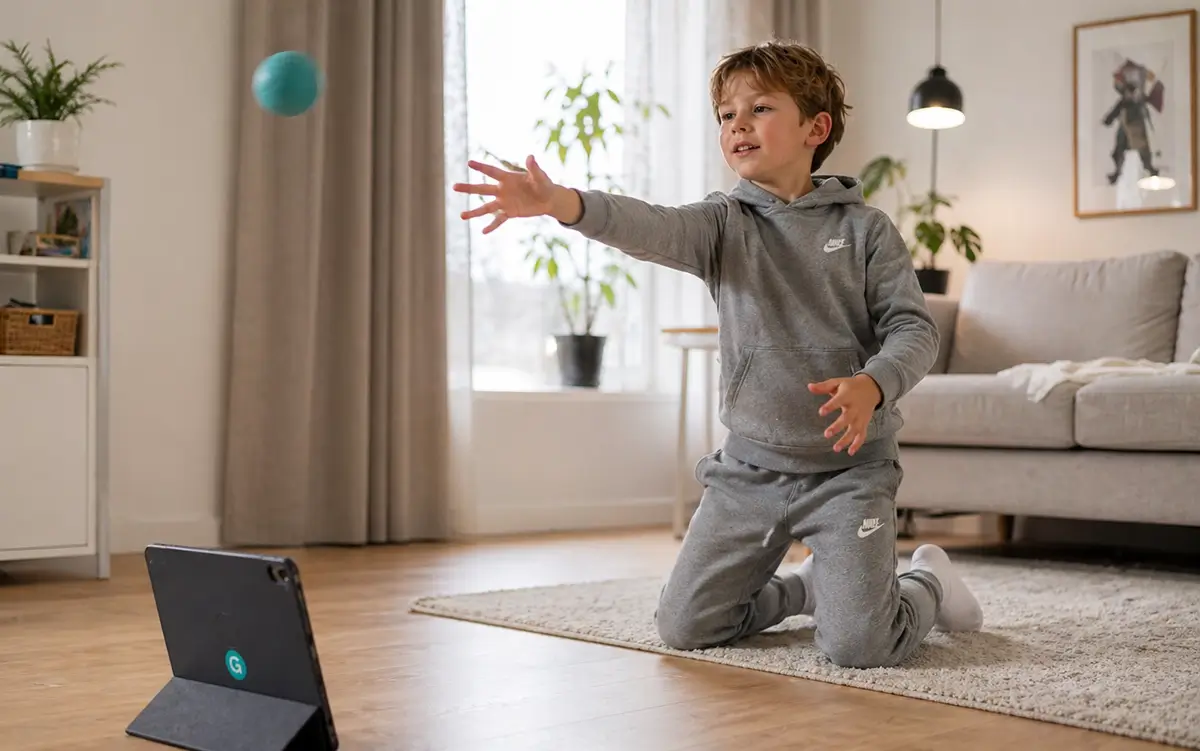
Guided movement learning
Children move, learn and succeed
Pedagogical foundation
Geego is built on a movement pedagogy model developed together with Varala Sports Institute, one of Finland's leading sports and education institutions. The model is designed to begin in the school day and continue at home.
The greatest impact is created when movement continues from school into everyday life at home. This continuity supports repetition, motivation and shared routines that help children build motor skills, confidence and active habits in real life.
Starts at school, continues at home
Movement becomes part of everyday life, not just school sessions
Builds motor skills through repetition
Real-world practice supports long-term development
Designed for teachers and families
Easy to use across school days and home routines
Tested in Finnish school pilots
Proven in real classroom environments
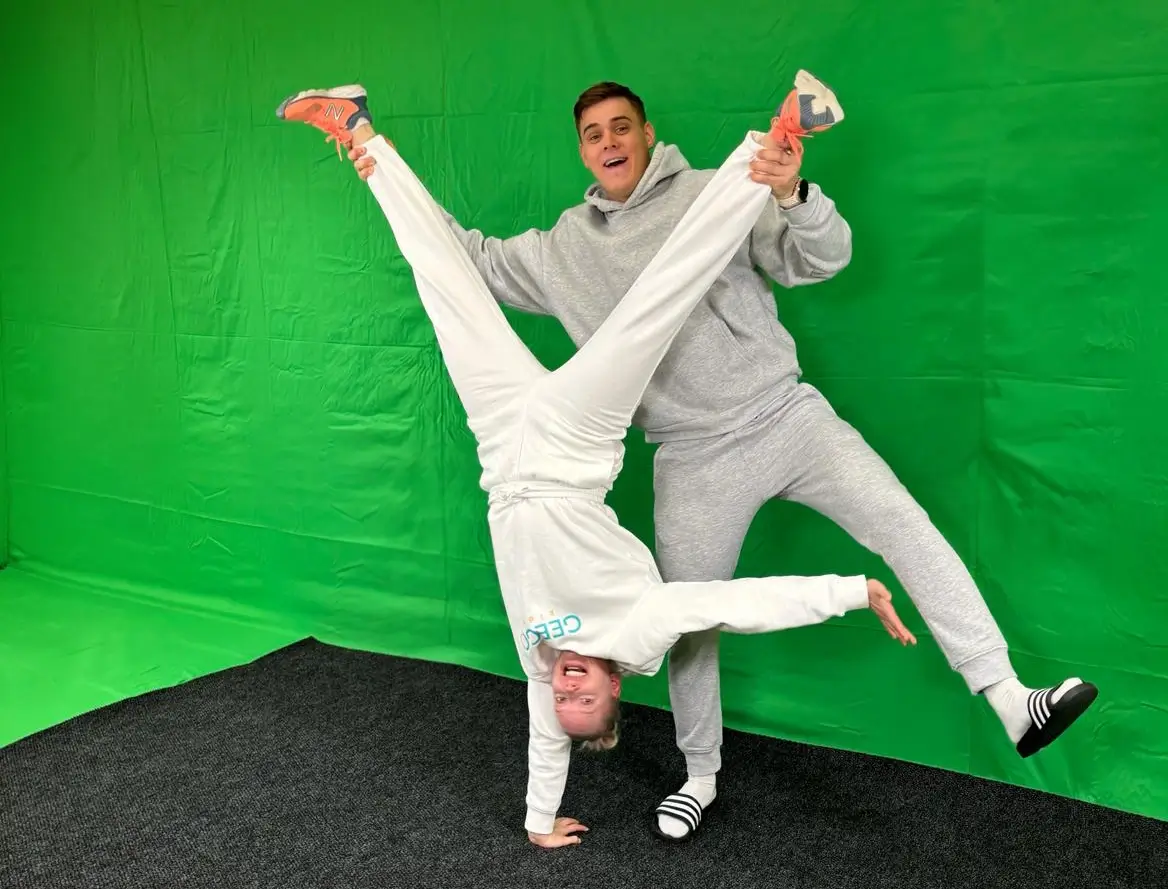
Perspective from Varala

Riku Granat
CEO
Varala
At Varala, it is important for us to be actively involved in solving the challenge of children's physical inactivity. In Geego, we see a modern, cost-efficient and practically tested solution for getting children moving.
Scientific validation
Tampere University is conducting a cluster-randomized controlled study in Finnish primary schools to evaluate the effectiveness of the Geego model.
The research focuses on how movement that begins at school and continues at home influences children's physical activity, motor skills and motivation.
Study design
Measured outcomes
~280 children • Finnish primary schools
Expert perspective

Jari Parkkari
Professor of Sports and Exercise Medicine
By joining Geego's expert team, I can directly influence children's health and wellbeing - this is an investment in the future of children and society.
Adaptive learning with UEF
Geego's adaptive learning layer is being developed in collaboration with the University of Eastern Finland.
The system uses developmental data, skill readiness and user interaction to recommend suitable next tasks, support motivation and strengthen long-term learning through repetition.
The goal is not more screen time, but more suitable movement for each child.
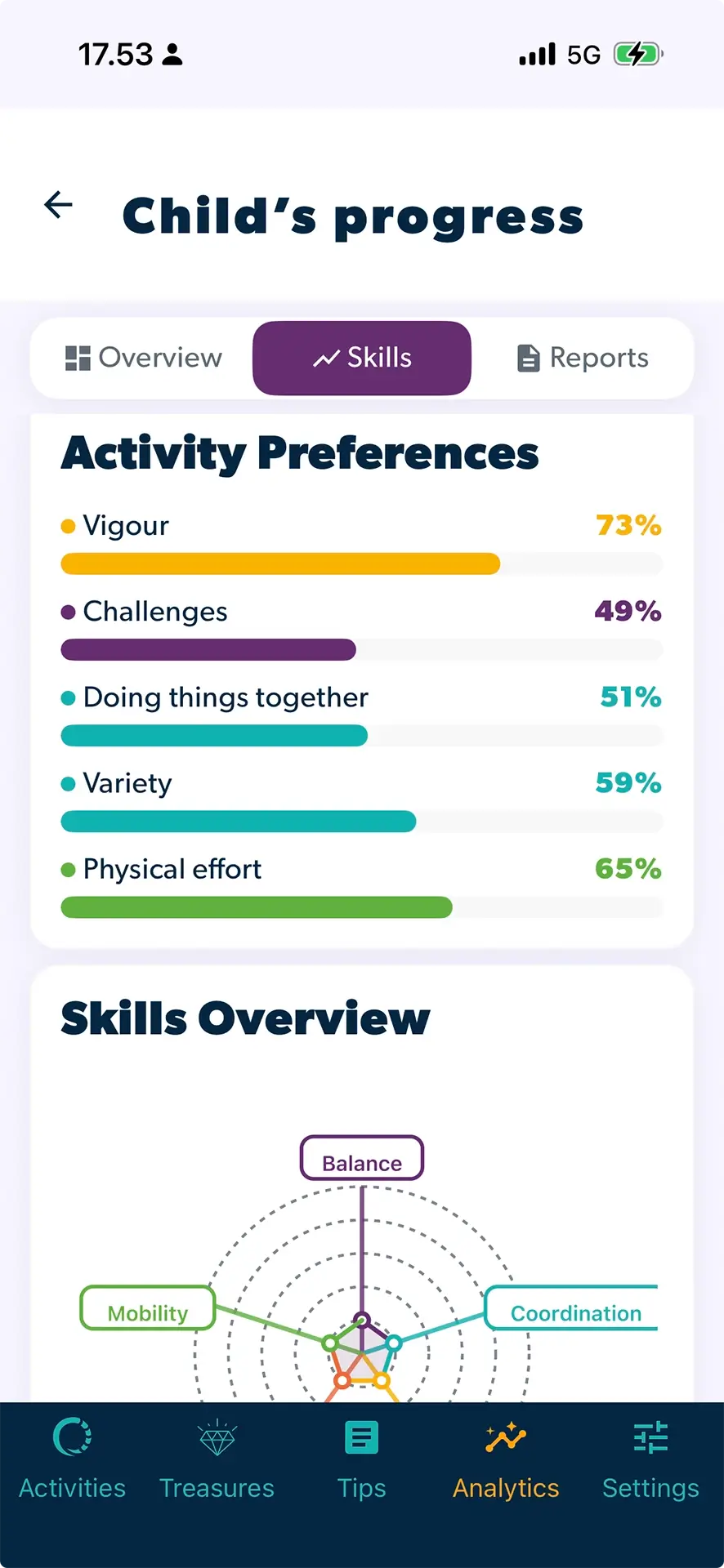
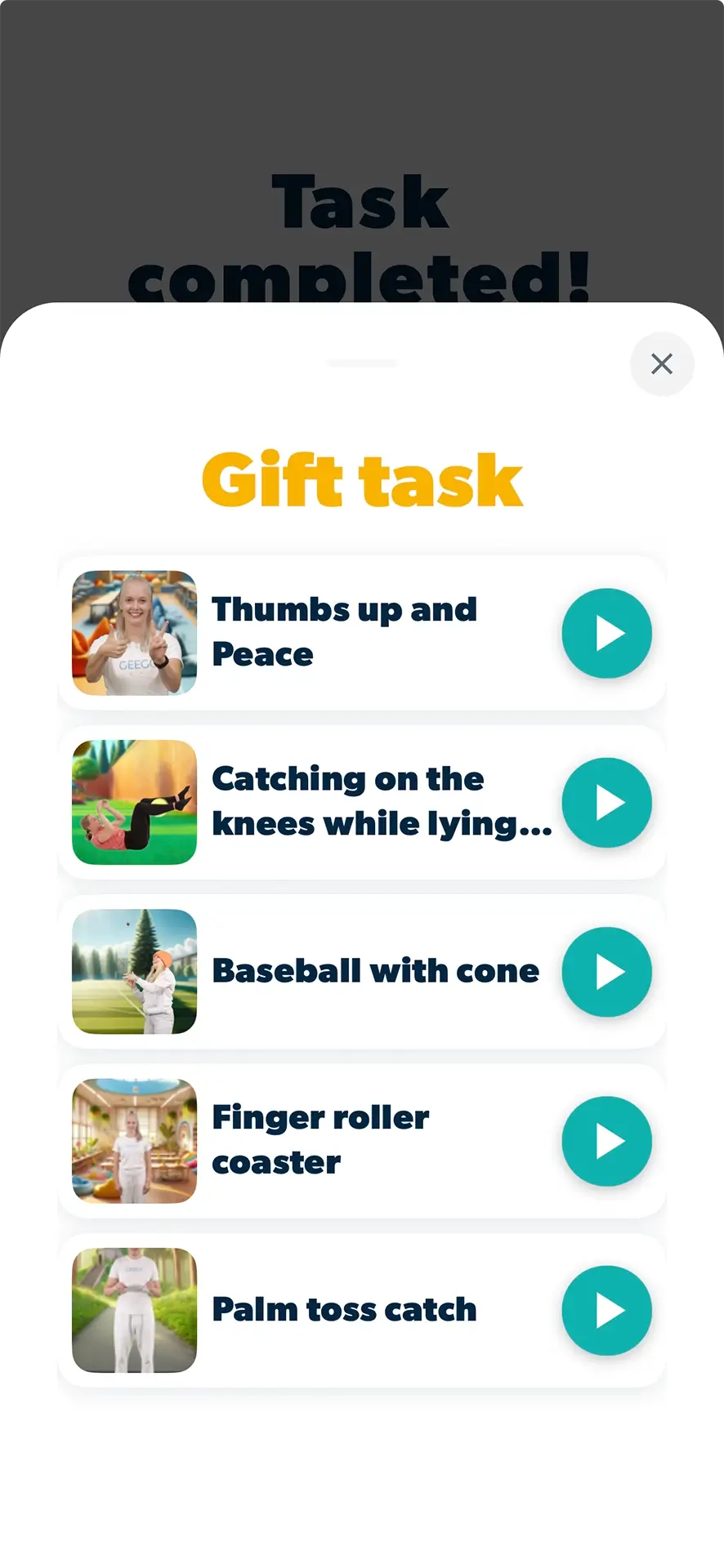
I learn what each child needs next.
Scientific summary
Geego is built on research linking movement, motor competence, learning and long-term behavior change.
Daily physical activity supports children's health, development and long-term wellbeing.
Motor competence in childhood supports lifelong movement.
Movement supports health early, and habits later.
Motor skills are linked with cognitive development, attention and classroom functioning.
Short movement breaks can support focus and learning.
Movement is not a break from learning - it supports it.
Digital tools can support activity when they guide real-world movement and adapt to the child.
Personalization can strengthen engagement over time.
Children stay engaged when movement feels suitable and rewarding.
Selected references
The Geego model is informed by research on physical activity, motor competence, classroom movement, cognition and digital behavior change.
These sources reflect the broader evidence base behind the model.
2020
Physical activity guidelines for children and adolescents
2015
Motor competence and physical activity
2015
Motor and cognitive skills
2016
Physical activity and learning
2017
Classroom movement interventions
2021
Digital tools and physical activity
2024
School-based intervention outcomes
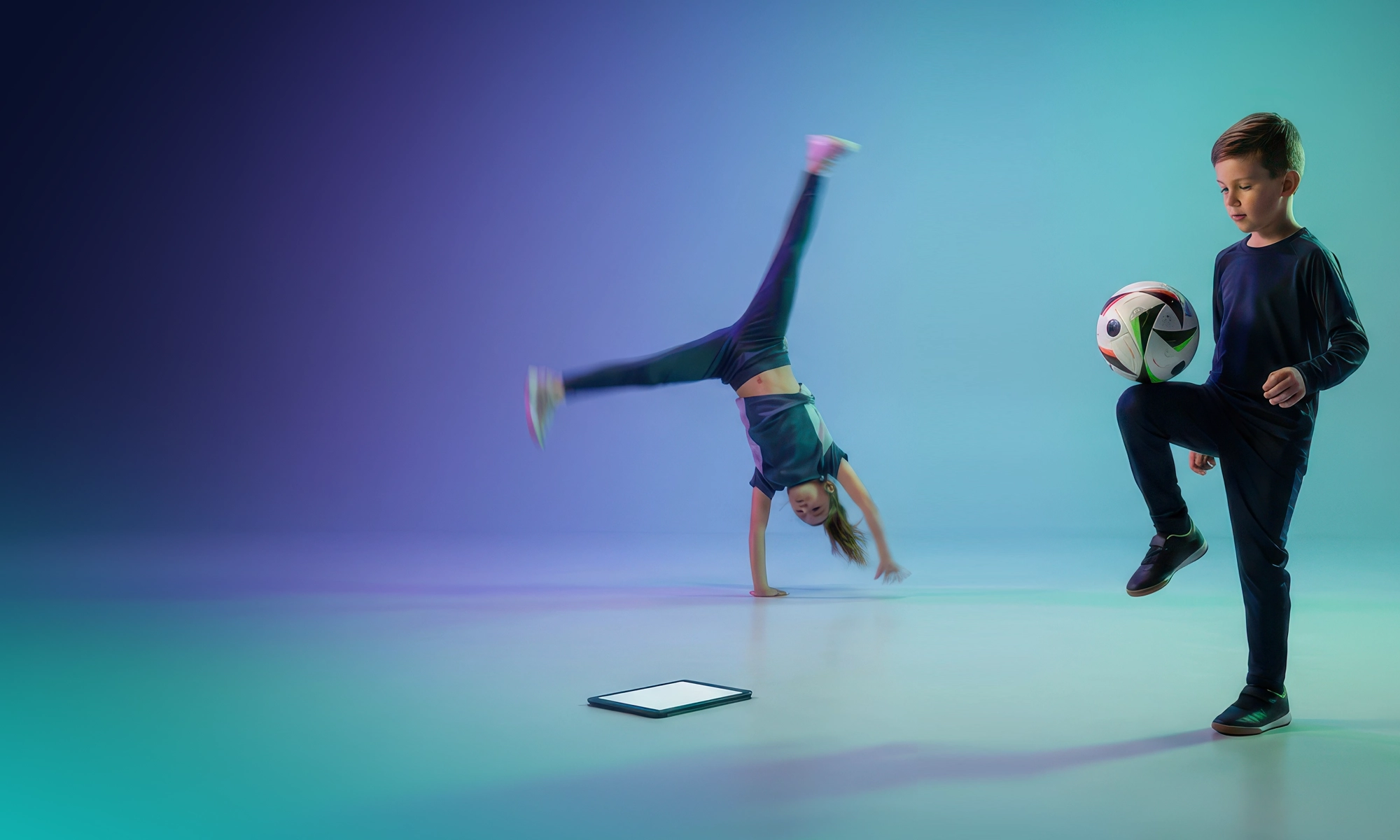
Real-world integration
Geego is designed to fit into real school days and continue into life at home. Its impact grows through repetition, shared routines and movement that feels meaningful to the child.
The model combines pedagogy, research and adaptive support into a format that is practical for schools and motivating for families.
Schools
Daily movement integrated into real classrooms
Homes
Practice continues through everyday routines
Research
Impact is studied in real school environments
Technology
Adaptive support helps each child progress